
The Covid pandemic has left a question mark on how the central government manages its staff.

Friday's call was the first time Pence, 61, and Harris, 56, had an one-to-one conversation since their vice presidential debate in October last year. It was also the first direct contact between the two leaders since the November 3 presidential election.
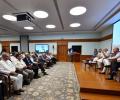
The appointments committee of the Cabinet headed by Prime Minister Narendra Modi cleared Bhalla's appointment as OSD in the ministry with immediate effect.
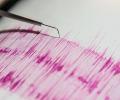
Prime Minister Narendra Modi took stock of the damage caused by the earthquake in eastern India and has spoken to the chief ministers of Bihar, Assam and Sikkim, government sources said.

"Already, orbiter is in space and it should do an excellent job of mapping," Nair said.

Ahluwalia said the man, a Black, assaulted him on April 26 at his workplace, the Quality Inn in Brownsville. He said the man came into the lobby of the hotel at around 8 am and started shouting while the front desk lady asked him if he needed help.

Singh had initially approached the Supreme Court, alleging he was transferred from the post of Commissioner Police of Mumbai on March 17 and shunted to the Home Guards department after he complained to Maharashtra Chief Minister Uddhav Thackeray and other senior leaders about the "corrupt malpractices" of Deshmukh.

The letter claims that the order for Alam's release was sent in February
 © 2026 Rediff.com - Advertise with us - Disclaimer - Privacy Policy - Sitemap - Feedback - About us - Terms of use - Grievances